Quick answer: For many people in Ghana, faith is a real source of comfort and meaning during depression and suicidal crisis. Research from the University of Ghana shows religion can aid recovery after a suicide attempt but can also bring shame and condemnation. Psychologists say spirituality can be included in counselling with the client's consent, while professional care continues. You do not have to choose: prayer and therapy can work together.
Why faith matters in recovery
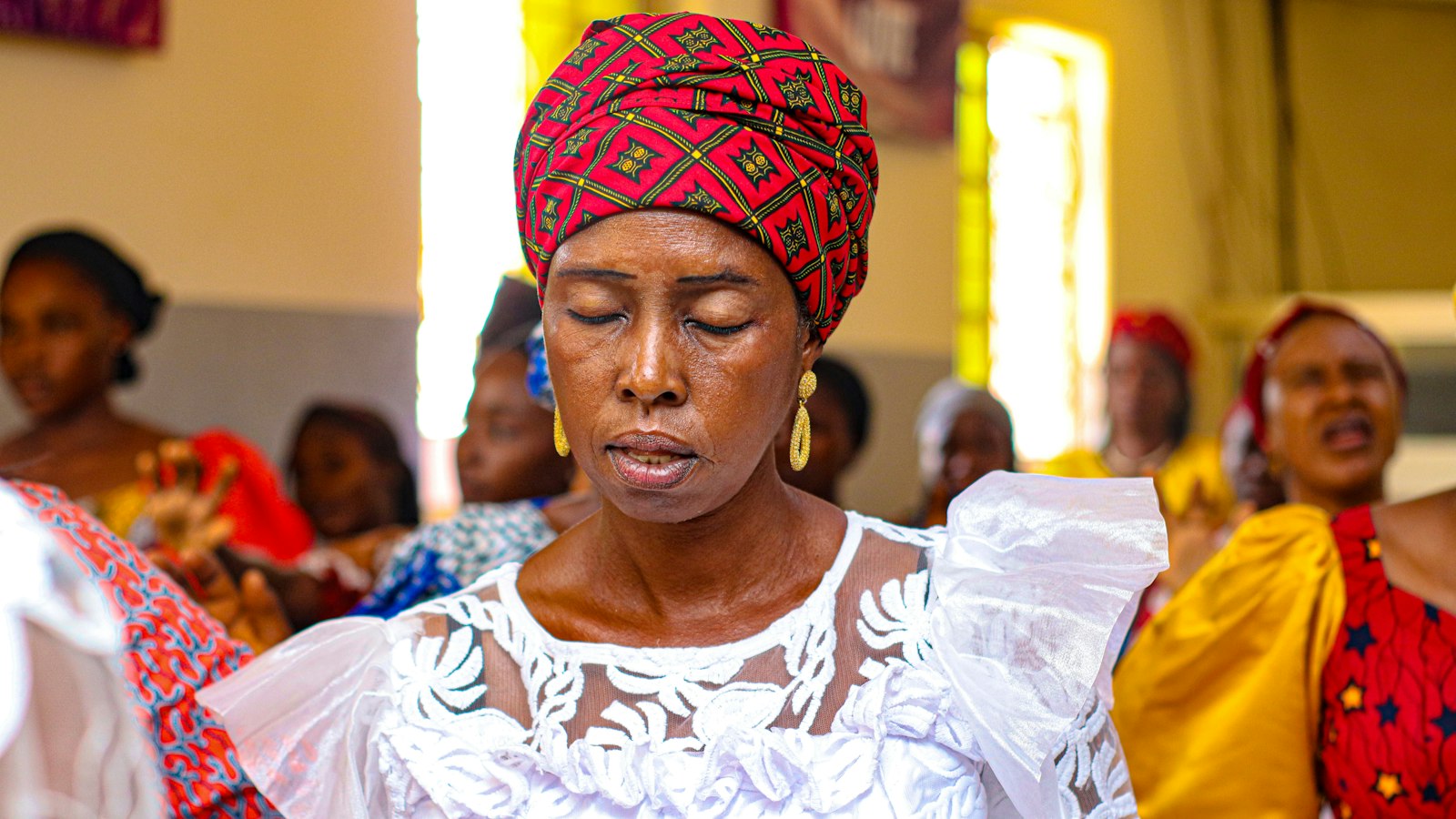
Ghana is a deeply religious country, and many people turn first to prayer, scripture or a faith leader when they are in pain. Survivors of suicidal crises often describe a spiritual experience as a turning point: a moment of feeling seen, released or comforted. Some say their nights changed from dark and frightening to peaceful, and that faith gave them hope to keep going.
This is true across religions. Christians, Muslims and people of other faiths can find words of comfort and meaning in their own traditions.
How psychologists approach spirituality
Counsellors sometimes ask whether it is appropriate to explore spiritual issues in therapy. Many psychologists working in Africa say yes, with care:
- Psychology studies human behaviour, and spiritual life is part of that behaviour.
- It helps to distinguish spirituality (a connection to a being greater than ourselves) from religiosity (the practices people use to build that connection).
- In an African context, it is hard to separate spiritual beliefs from how people understand health.
- A therapist's role is to respect what clients believe helps them, not to force or dismiss it.
- Spirituality should be brought into therapy only with the client's informed consent.
- Professionals must also watch for harm. Some people who claim spiritual power have abused followers and done more damage than good.
What the research says
Researchers at the University of Ghana interviewed suicide attempt survivors and found religion plays a "double-edged" role. It can draw empathy and support recovery, and many survivors renewed their commitment to religious practices. But it can also condemn and shame people in crisis (Osafo, Asare-Doku & Akotia, BMC Psychiatry, 2023). A related study found families of attempt survivors leaned on personal spiritual coping and social support (Asare-Doku et al., 2017).
Healthy faith support vs harmful practices
| Healthy | Harmful |
|---|---|
| Prayer, scripture and worship that bring comfort and hope | Telling someone their depression is only a curse or sin |
| Faith leaders who listen and refer to health workers | Discouraging medicine, hospital care or counselling |
| A community that visits, shares meals and checks in | Shaming, exclusion or public exposure |
| Rituals the person chooses freely | Fasting, beating, chaining or other abuse |
For faith leaders
- Listen without judging. Suicidal thoughts are not a lack of faith.
- Ask directly about suicide and take the answer seriously.
- Pray with the person and walk with them to a health centre or call 0800 678 678 together.
- Preach about mental health so people feel safe to speak up.
Frequently asked questions
Can prayer cure depression? Prayer can bring comfort, hope and strength, and many people credit it in their recovery. Depression is also a health condition, so prayer works best alongside medical and psychological care.
Is it appropriate for counsellors to discuss spirituality? Yes, when the client wants it and gives informed consent. The counsellor should respect the client's beliefs without imposing their own.
Is suicide a sin that makes people afraid to seek help? Fear of religious judgement does stop some people from asking for help. Faith communities can reduce this by responding with compassion.
What if my church tells me to stop my medication? Do not stop medication without talking to a health professional. You can keep your faith and your treatment.
Sources: Osafo, Asare-Doku & Akotia, BMC Psychiatry (2023) · Asare-Doku, Osafo & Akotia, BMC Psychiatry (2017)