
Media ·
Headlines That Hurt: How Ghana's Media Should Report Suicide
Ghana now has its own guidelines for reporting suicide. What journalists, bloggers and TikTok creators should do, and avoid, to help prevent suicide.
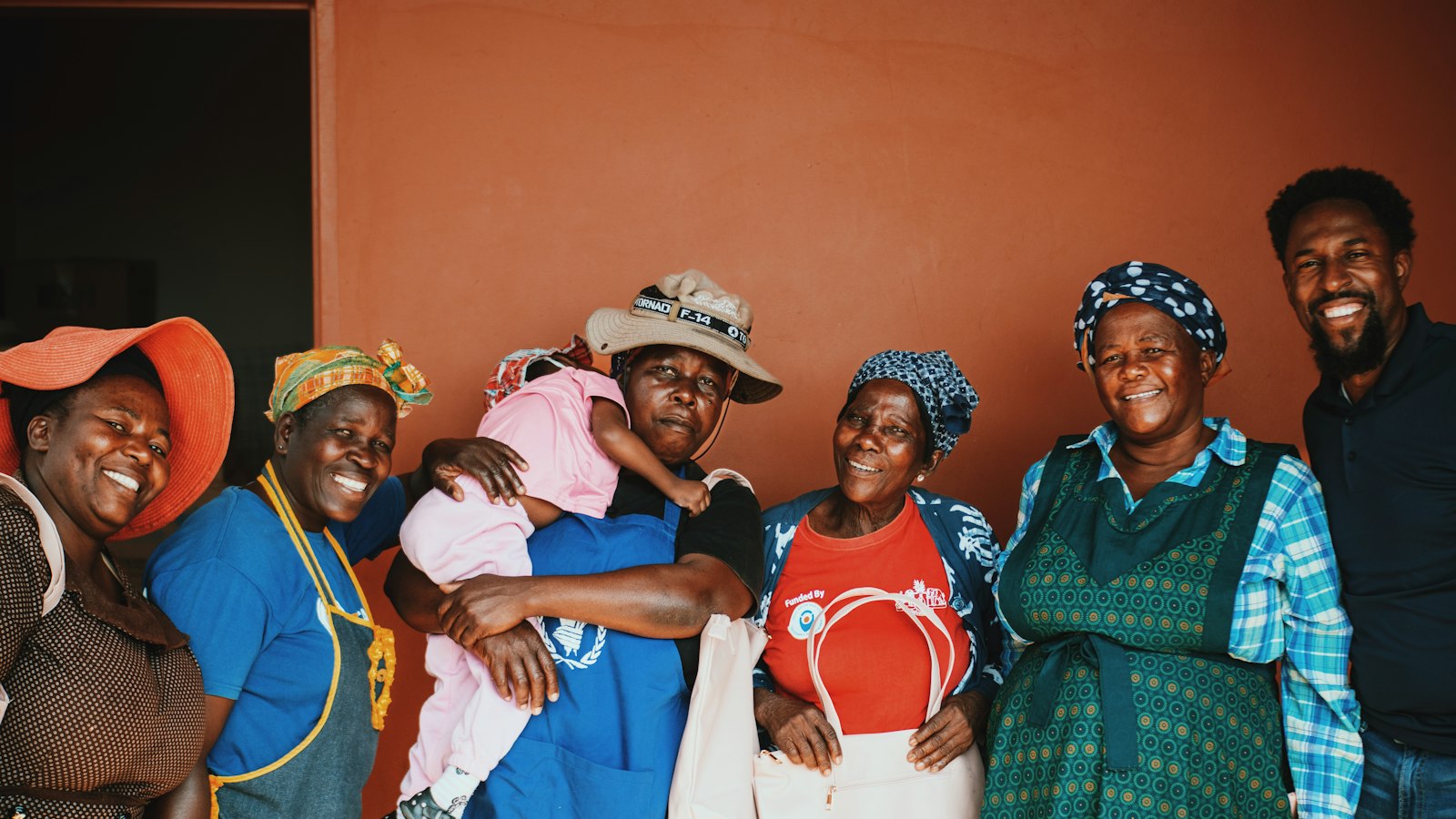
Hope is here
We educate, empower and equip individuals, families, schools, workplaces and communities to prevent suicide. Our work is based on evidence, led with compassion and shaped by Ghanaian culture.

Worried about someone?
It won't put the idea in their head. Learn the warning signs, what to say, and how to stay with them while they get help.
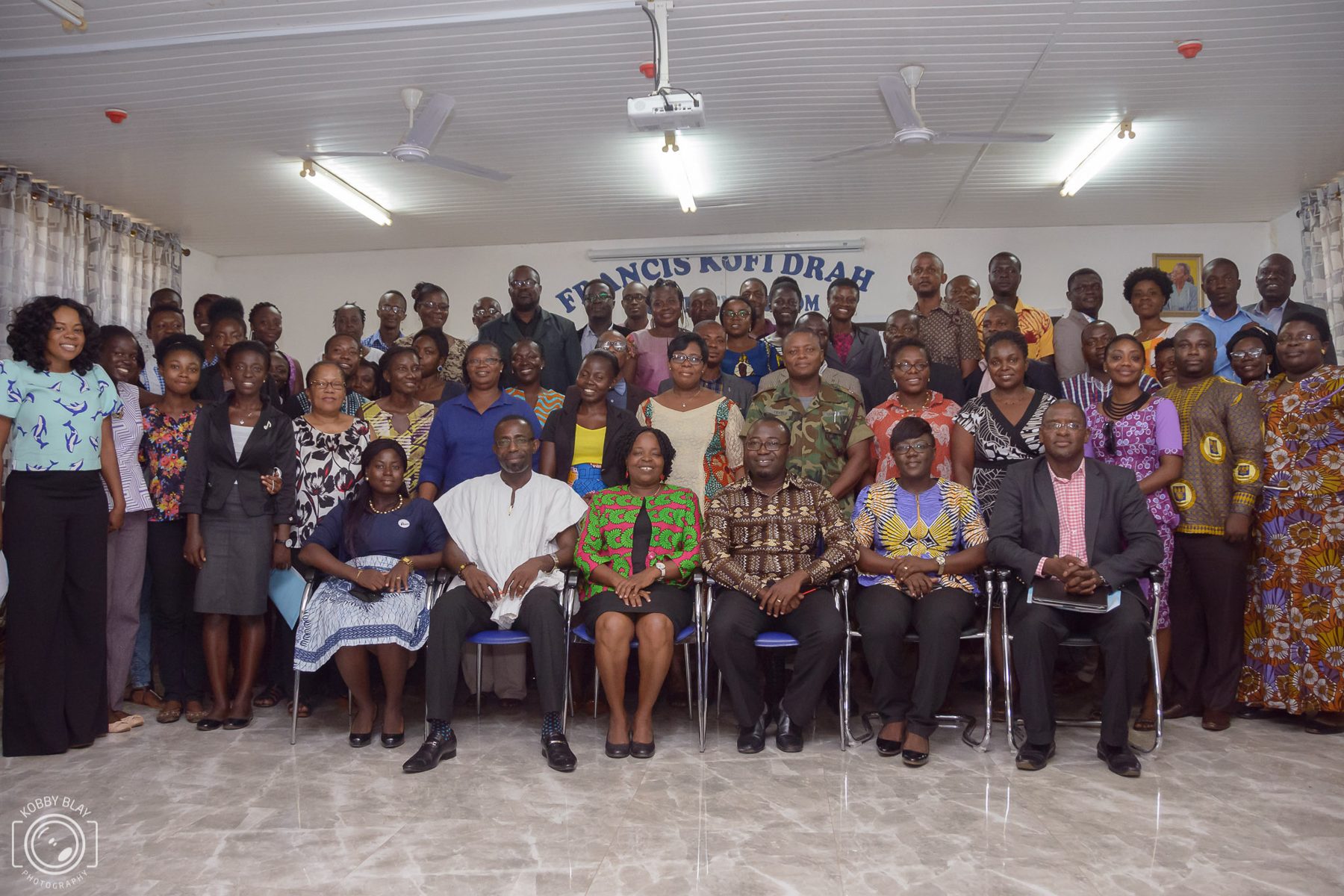
Get involved
Professionals, students, survivors, parents and organisations all have a place in GASP. Join us, volunteer or give.
You don't have to face this alone. Talk to someone today. It's free and confidential. Call 0800 678 678.
Get help now →Learn the warning signs and what to say. Asking directly about suicide does not put the idea in someone's head.
How to help someone →Losing someone to suicide is a different kind of grief. You and your family can find support here.
Support after a loss →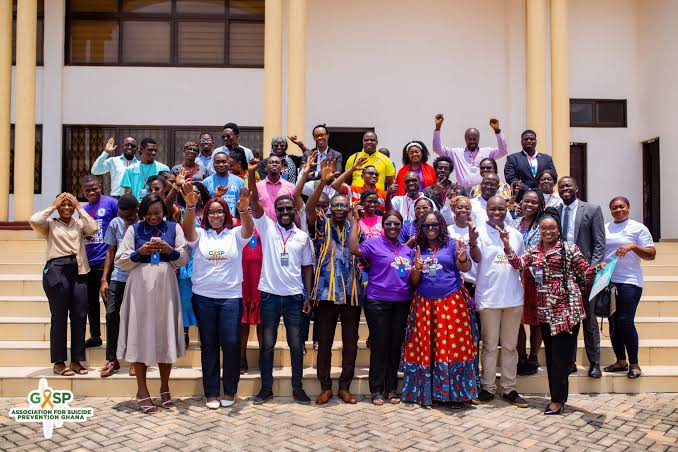
Who we are
GASP was formed on 30 March 2017 by people who were tired of watching suicide take lives in silence. They were mental health professionals, researchers, teachers, police, journalists, lawyers, faith and traditional leaders, students and people with lived experience.
Today we coordinate crisis support, research, training, advocacy and media work across Ghana.
To educate, empower and equip individuals, families and organisations to prevent suicide in Ghana.
To provide empathic, evidence-informed and culturally-sensitive suicide prevention services, and capacity building in systemic, responsive and preventive ways for improved mental well-being of individuals, families, schools, workplaces and communities in Ghana.
What we do
A free, confidential line for anyone in distress or worried about someone else.
0800 678 678
Learn moreBuilding the Ghanaian evidence base so prevention works here.
Learn moreChanging laws, policies and attitudes, including the decriminalisation of attempted suicide.
Learn moreEquipping teachers, health workers, police and faith leaders to respond to risk.
Learn moreWorking with journalists and partners so suicide is reported safely.
Learn more
Media ·
Ghana now has its own guidelines for reporting suicide. What journalists, bloggers and TikTok creators should do, and avoid, to help prevent suicide.

Awareness ·
Few psychiatrists, high costs and long gaps between therapy sessions. How to find mental health care in Ghana, and how to look after yourself in between.

Awareness ·
Why people who have survived suicidal thoughts are powerful helpers, what research says about peer support, and how to support someone safely.
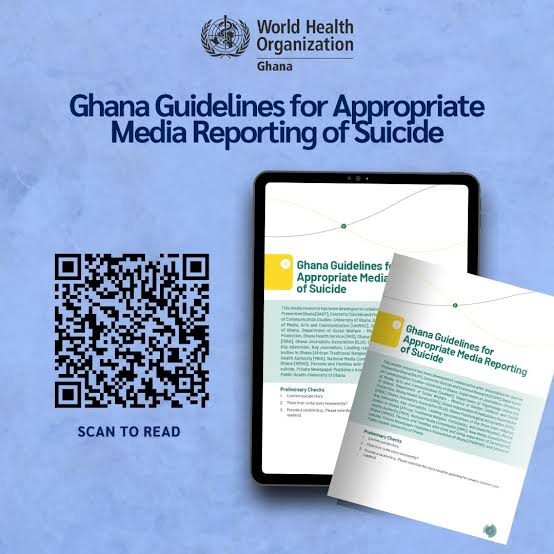
Featured resource
The Ghana Guidelines for Appropriate Media Reporting of Suicide and the Ghana Suicide Reporting Scorecard help journalists and editors cover suicide in ways that inform the public and protect vulnerable readers.
Whether you are a professional, a student, a survivor, a parent or an organisation, there is a place for you in GASP.







Free and confidential. A real person will reply.
In crisis? Call 0800 678 678 (free) or 112. This chat isn't monitored 24/7.